Why it is important to document aspects of your life.
Do you remember when ______?
Do you remember the last time you looked at a physical photo? Or even took the time to review your latest journal entry. I’m a big advocate of journaling. I’ve been making an effort to review all my journal entries for some time, but it isn’t always successful, but I’m happy I’ve at least taken the time to actually write out my thoughts.
It’s so important that we document different moments in our lives, either digitally or physically, as a way to promote change & awareness, reflection and growth over days, months, years, centuries, and millennia from now. Honestly, there are countless reasons why we should document and it honestly depends on you. As a documentary photographer, I believe documenting memories through visual storytelling, photography, and writing is one of the most powerful ways to preserve culture, history, and human connection.
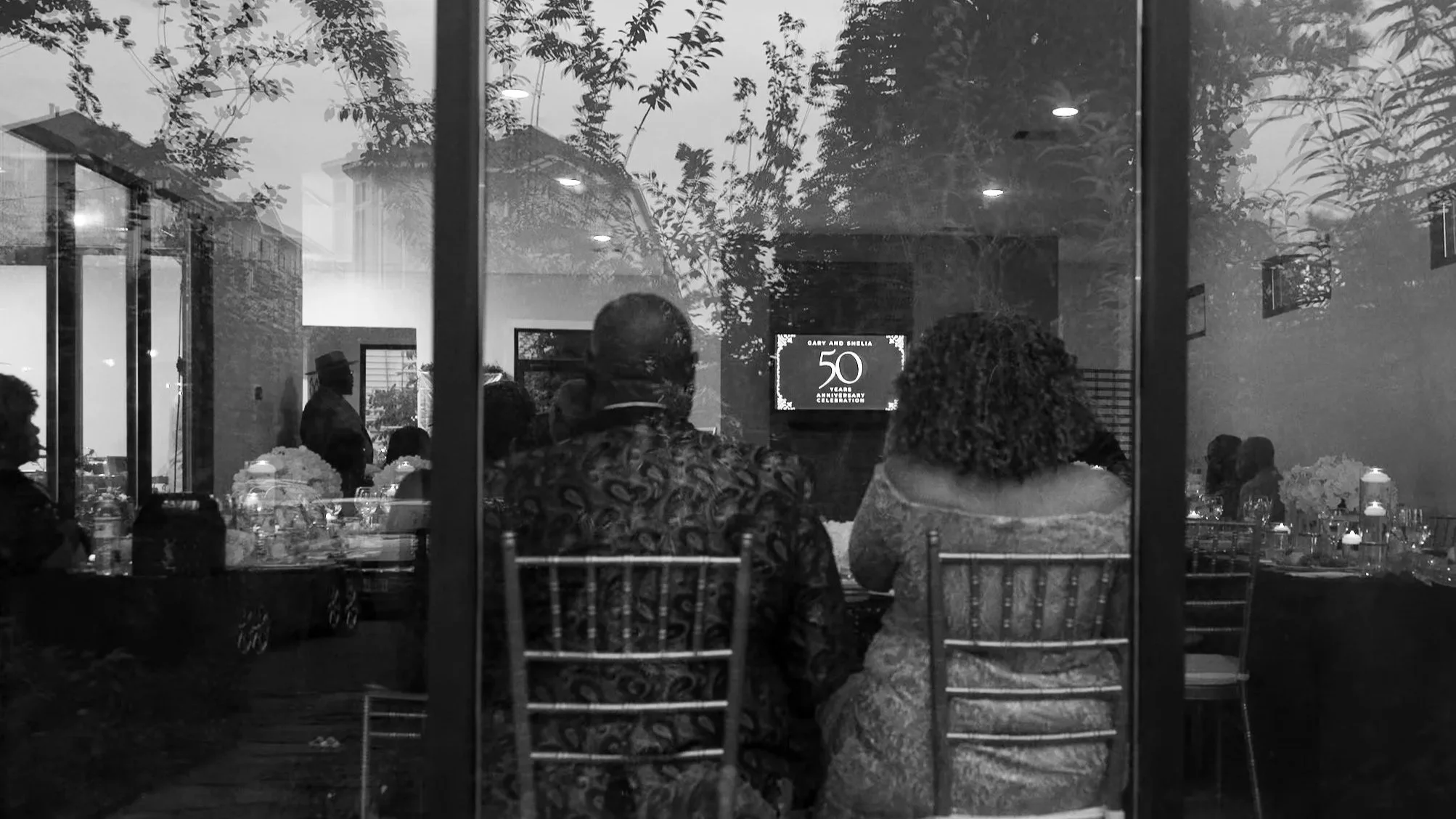
What does it mean to document? It can mean multiple things, from writing down information to reference at a later date, to freezing a moment or action in time through photography or videography. Essentially, to document means to record something that can be referenced in the future, this can be in any medium. Anyone can document whether it is for personal legacy, personal development, or contributing to a collective history. Documentation can serve as a family archive, visualization of evolution or even a primary source of truth; ensuring all perspectives are not only lived, but remembered.
Legacy & Future Generations
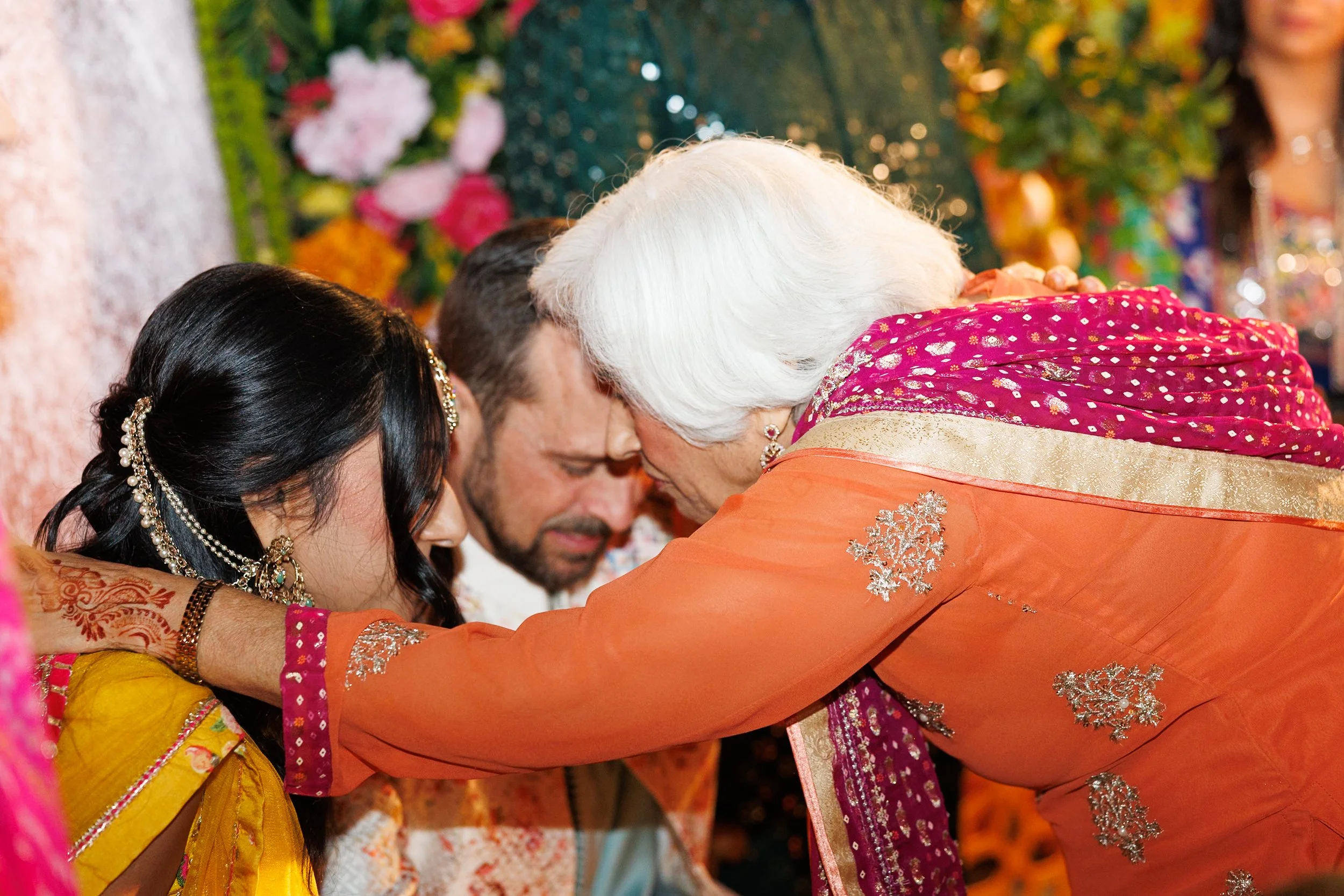
Every family carries stories and histories, both documented and undocumented. We should document these legacies to share with future generations who we are, what we cared about and how we lived our everyday lives. Imagine a future relative observing how you and your family celebrated the holidays, or how you were celebrated during your lifetime. Creating photos, videos, handwritten notes, and other records can inspire future generations and foster a deeper understanding of where they come from.
One thing I wish I had is more written stories or even photographs from previous generation family members to see or even try to connect with through little things. What I do know is that my family has a strong history of being stewardesses of the land and I am connected with that deeply as I am a stewardess of the land. But I just wish I just had more stories and physical photos or even objects to learn more about who they were and what they cared about.
Personal Development
Another way we can incorporate documenting in our lives is by tracking growth and progress. This can be tied to an assignment, task or skill we are developing. For example, imagine you started to learn how to repair your clothing without prior experience. By documenting your work, you see how intricate and advanced your skills have developed over time through before and after comparisons. This creates a visual record of change and personal evolution.
Collective History
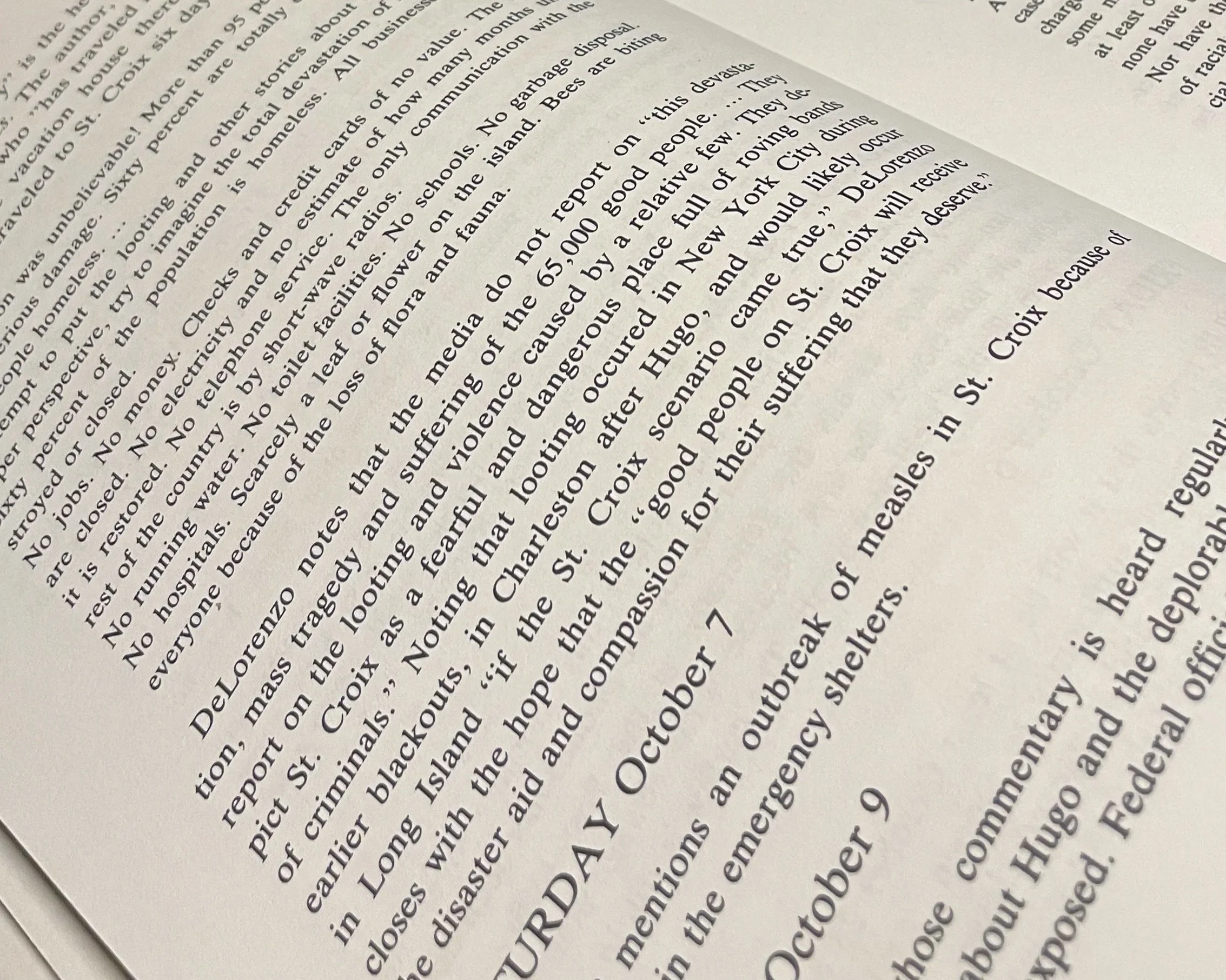
History is often shared from the top down. Recently, I read HUGO (Hell Under God’s Orders) by Gloria I. Joseph and Hortense M. Rowe, which provided an in-depth perspective on how individuals in St. Croix experienced and responded to Hurricane Hugo in September of 1989. One of the most destructive storms to hit the Caribbean. Personal accounts like these are ground truth.
They reveal how people actually lived through historical events, beyond official records and headlines. In the book a few contributors talk about how the new headlines would basically portray them as uncivil humans, but they were far from that. These were everyday people that literally just went through a historical hurricane that took everything away from them, but the news wanted to create a different narrative for the viewers for views.
Documenting as a Documentary Photographer
Documenting is essential to bringing forth awareness to local and global issues through visual storytelling. As a documentary photographer, I use my camera as a tool to explore culture, environment, and human connection. Currently, I’m contributing to the Black Heritage Tree Project by documenting trees as living witnesses, spiritual healers, archivists in cities including Tulsa, St. Croix, Galveston, and Houston. The trees bridge the gap between environment and culture; the trees are living witness to our stories.
The legacies the Black Heritage Trees hold are increasingly threatened by development, climate change, and cultural erasure. Being able to document and share these living legacies have sparked new conversations about history, place, and belonging while providing communities with tools to protect their own heritage. As a documentary photographer and stewardess of the land, I know these stories and will inspire stewardship, foster pride, and ensure that the wisdom rooted in these trees is preserved and celebrated for generations to come.

As mentioned, it's important to document all memories and stories. Most importantly what matters to you! This can look different for everyone: capturing photographs and/or videos that resonate with you,collecting objects that hold a personal meaning and journaling your experiences and thoughts.
Document Document Document! You’ll never regret it months,years and decades from now. It shapes how history is remembered.